World War Weapons • Printable Reference
Bismarck vs HMS King George V
Capital ship survivability, fire-control, and operational risk in Atlantic battles.
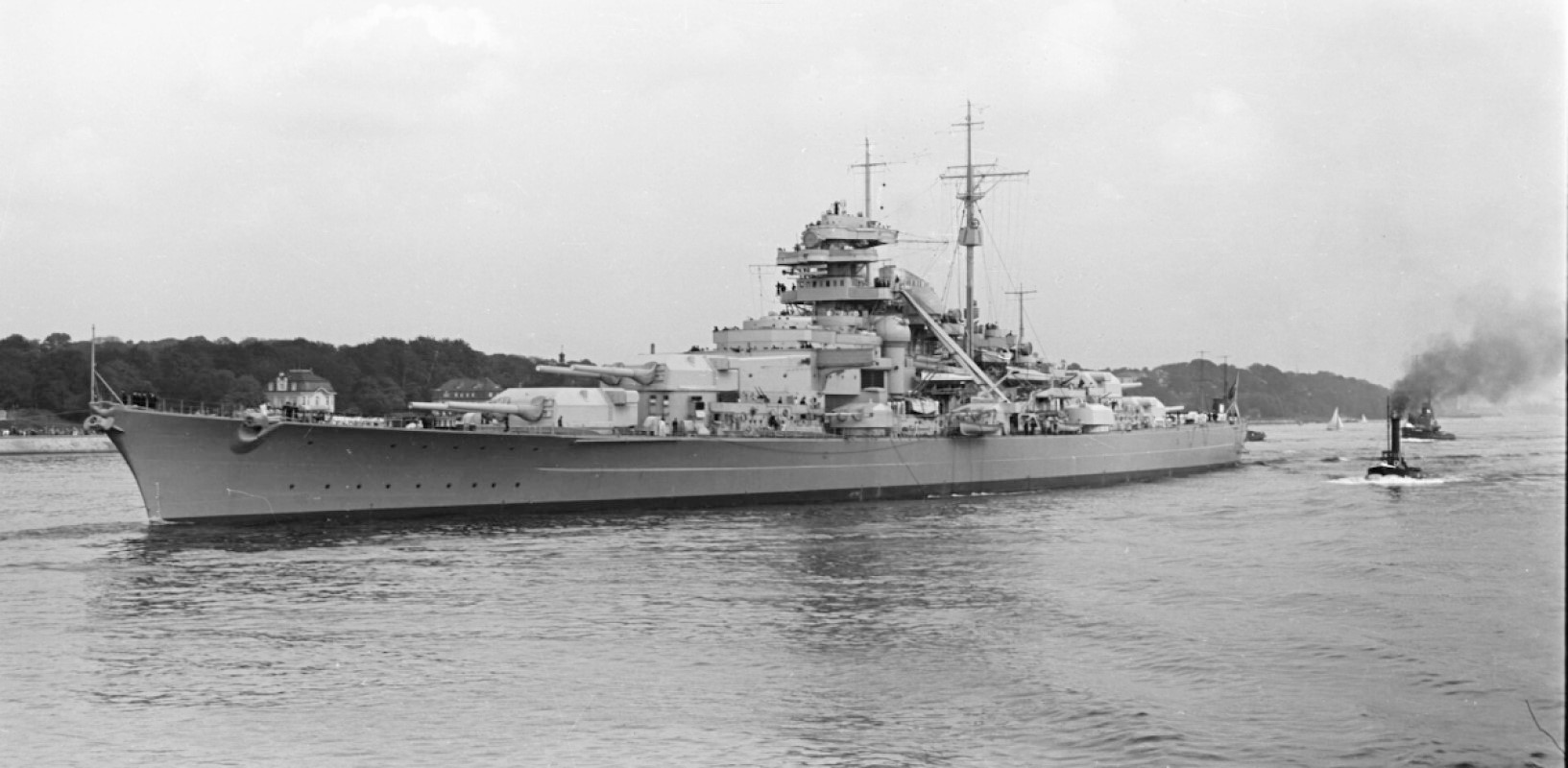
Germany • NAVAL
Bismarck
Bismarck-class Battleship
- Introduced
- 1940
- Manufacturer
- Blohm & Voss, Hamburg
- Type
- battleship
- Service Window
- 1940 - 1941
The Bismarck was the most powerful battleship in the German Kriegsmarine and one of the largest warships ever built by a European power. Her brief but dramatic career captivated the world and led to one of the greatest naval chases in history.
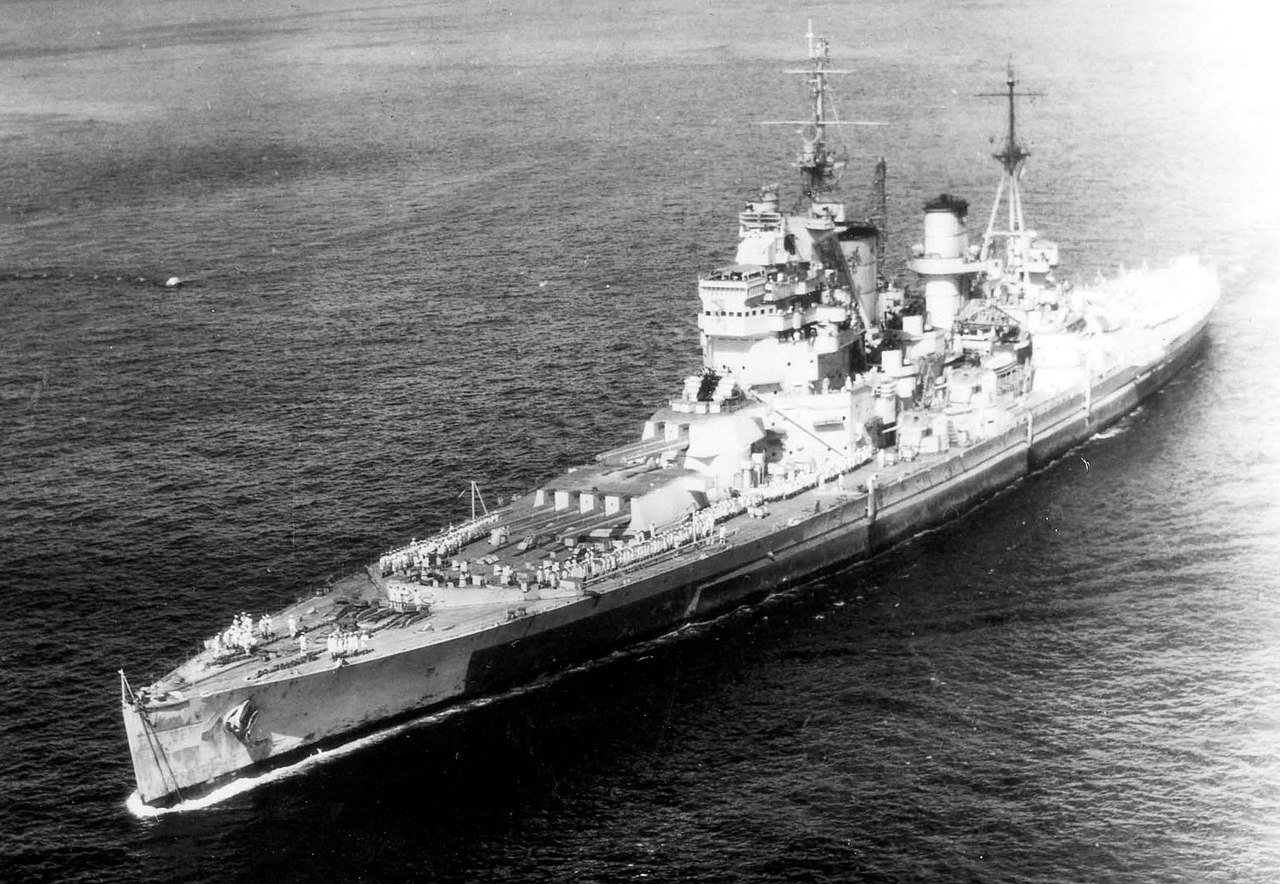
United Kingdom • NAVAL
HMS King George V
King George V-class Battleship
- Introduced
- 1940
- Manufacturer
- Vickers-Armstrong
- Type
- battleship
- Service Window
- 1940 - 1957
British battleship that helped sink Bismarck in May 1941.
Bismarck Key Specs
- Displacement
- 50,300 t
- Length
- 251 m
- Top Speed
- 30 knots
- Range
- 8,870 nmi
- Crew
- 2,092
- Main Armament
- 8× 38cm SK C/34 guns (4 twin turrets) • 12× 15cm SK C/28 guns
- Armor
- Belt 320 mm • Deck 120 mm
HMS King George V Key Specs
- Displacement
- 42,000 t
- Length
- 227 m
- Top Speed
- 28 knots
- Range
- 5,400 nmi
- Crew
- 1,500
- Main Armament
- 10x 14-inch main guns • Secondary and AA batteries
- Armor
- Belt 381 mm • Deck 152 mm
Operational Tradeoff Summary
Bismarck
Bismarck entered service in 1940 as a battleship and its battlefield value came from endurance, escort doctrine, and control of maritime approaches.
HMS King George V
HMS King George V entered service in 1940 as a battleship and its battlefield value came from endurance, escort doctrine, and control of maritime approaches.