World War Weapons • Printable Reference
Spitfire vs Bf 109
Maneuverability, energy fighting, and pilot training in Europe’s air war.
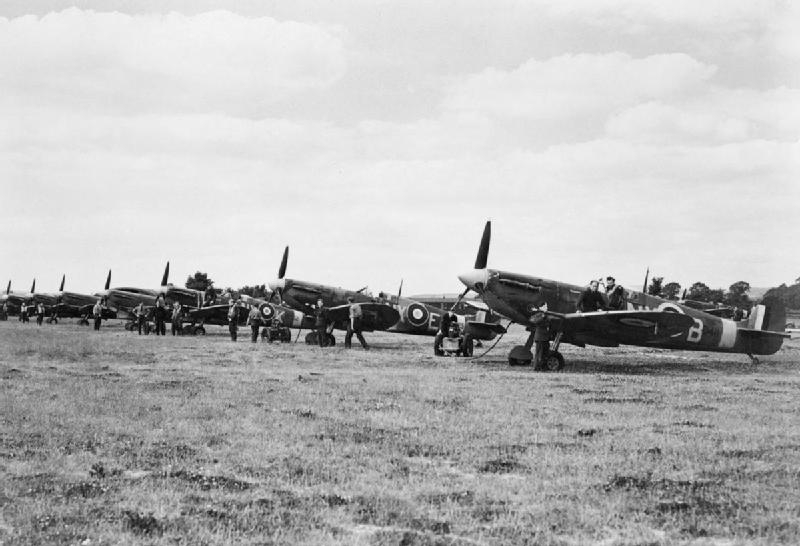
United Kingdom • PLANES
Supermarine Spitfire
Supermarine Spitfire Mk.IX
- Introduced
- 1938
- Manufacturer
- Supermarine (Vickers)
- Type
- fighter
- Service Window
- 1938 - 1955
The Spitfire is the most famous British fighter aircraft of WW2 and an enduring symbol of the Battle of Britain. Its elegant elliptical wing design gave it exceptional maneuverability and became an icon of British resilience.
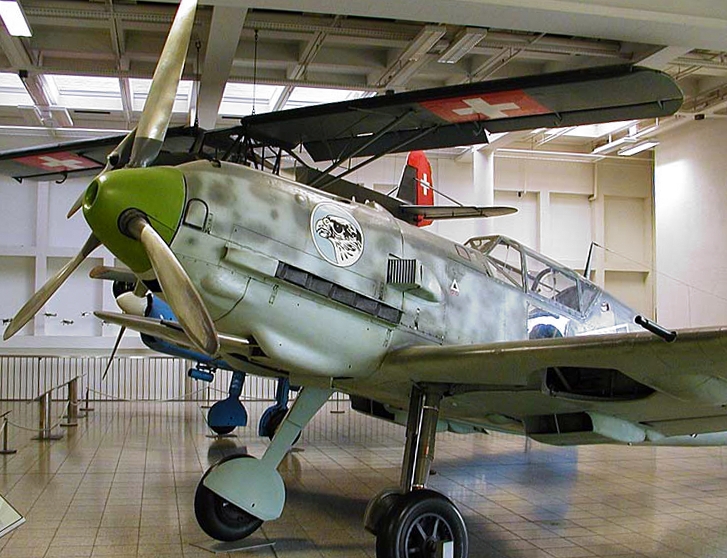
Germany • PLANES
Messerschmitt Bf 109
Messerschmitt Bf 109G-6 "Gustav"
- Introduced
- 1937
- Manufacturer
- Bayerische Flugzeugwerke (Messerschmitt)
- Type
- fighter
- Service Window
- 1937 - 1945
The Bf 109 was the most-produced fighter aircraft in history with nearly 34,000 built. It was the backbone of the Luftwaffe's fighter force from the Spanish Civil War through the end of WW2.
Supermarine Spitfire Key Specs
- Crew
- 1
- Max Speed
- 656 km/h
- Range
- 740 km
- Ceiling
- 13100 m
- Engine
- Rolls-Royce Merlin 63 (1,710 hp)
- Armament
- 2× 20mm Hispano Mk II cannon • 4× .303 Browning machine guns
- Production
- 20,351 built
Messerschmitt Bf 109 Key Specs
- Crew
- 1
- Max Speed
- 621 km/h
- Range
- 850 km
- Ceiling
- 11750 m
- Engine
- Daimler-Benz DB 605A (1,475 hp)
- Armament
- 1× 20mm MG 151/20 cannon (engine-mounted) • 2× 13mm MG 131 machine guns
- Production
- 33,984 built
Operational Tradeoff Summary
Supermarine Spitfire
Supermarine Spitfire entered service in 1938 as a fighter and its battlefield value came from sortie tempo, range discipline, and control of air windows.
Messerschmitt Bf 109
Messerschmitt Bf 109 entered service in 1937 as a fighter and its battlefield value came from sortie tempo, range discipline, and control of air windows.