World War Weapons • Printable Reference
Type VII U-boat vs Fletcher-class Destroyer
Submarine attrition strategy versus convoy escort adaptation in the Battle of the Atlantic.
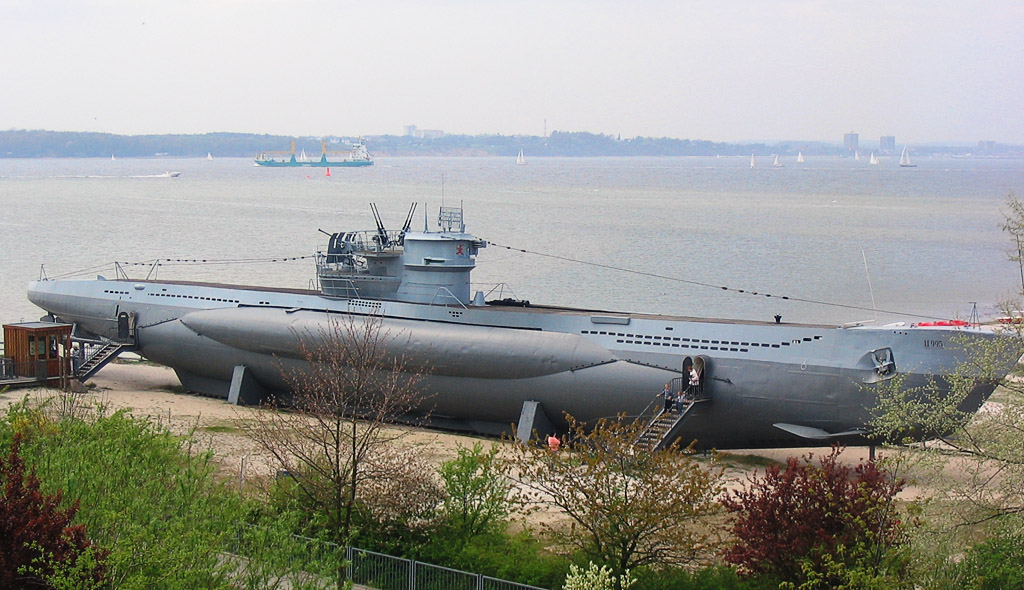
Germany • NAVAL
Type VII U-boat
Unterseeboot Typ VII C
- Introduced
- 1940
- Manufacturer
- Various German shipyards
- Type
- submarine
- Service Window
- 1940 - 1945
The Type VII was the most common U-boat type in the German Kriegsmarine during WW2, with 703 built. These submarines waged the Battle of the Atlantic, the longest continuous campaign of the war.
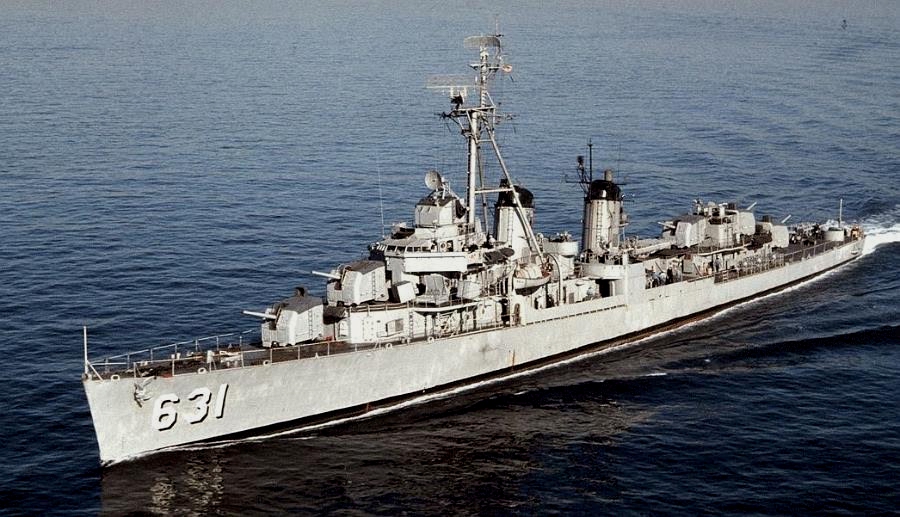
United States • NAVAL
Fletcher-class Destroyer
U.S. Navy Fletcher-class
- Introduced
- 1942
- Manufacturer
- Multiple U.S. shipyards
- Type
- destroyer
- Service Window
- 1942 - 1970
Large U.S. wartime destroyer class used for escort, AA, and anti-submarine roles.
Type VII U-boat Key Specs
- Displacement
- 769 t
- Length
- 67.1 m
- Top Speed
- 17 knots
- Range
- 8,500 nmi
- Crew
- 44
- Main Armament
- 5× 53.3cm torpedo tubes (4 bow, 1 stern) • 14 torpedoes
- Armor
- Belt 18 mm • Deck 0 mm
Fletcher-class Destroyer Key Specs
- Displacement
- 2,500 t
- Length
- 114.7 m
- Top Speed
- 36 knots
- Range
- 6,500 nmi
- Crew
- 330
- Main Armament
- 5x 5-inch guns • 10x 21-inch torpedo tubes
- Armor
- Belt 19 mm • Deck 13 mm
Operational Tradeoff Summary
Type VII U-boat
Type VII U-boat entered service in 1940 as a submarine and its battlefield value came from endurance, escort doctrine, and control of maritime approaches.
Fletcher-class Destroyer
Fletcher-class Destroyer entered service in 1942 as a destroyer and its battlefield value came from endurance, escort doctrine, and control of maritime approaches.