WEAPONS OF WORLD WAR 2HOME ARCHIVEBACK TO COMPARISONS

Bismarck vs HMS King George V

Capital ship survivability, fire-control, and operational risk in Atlantic battles.

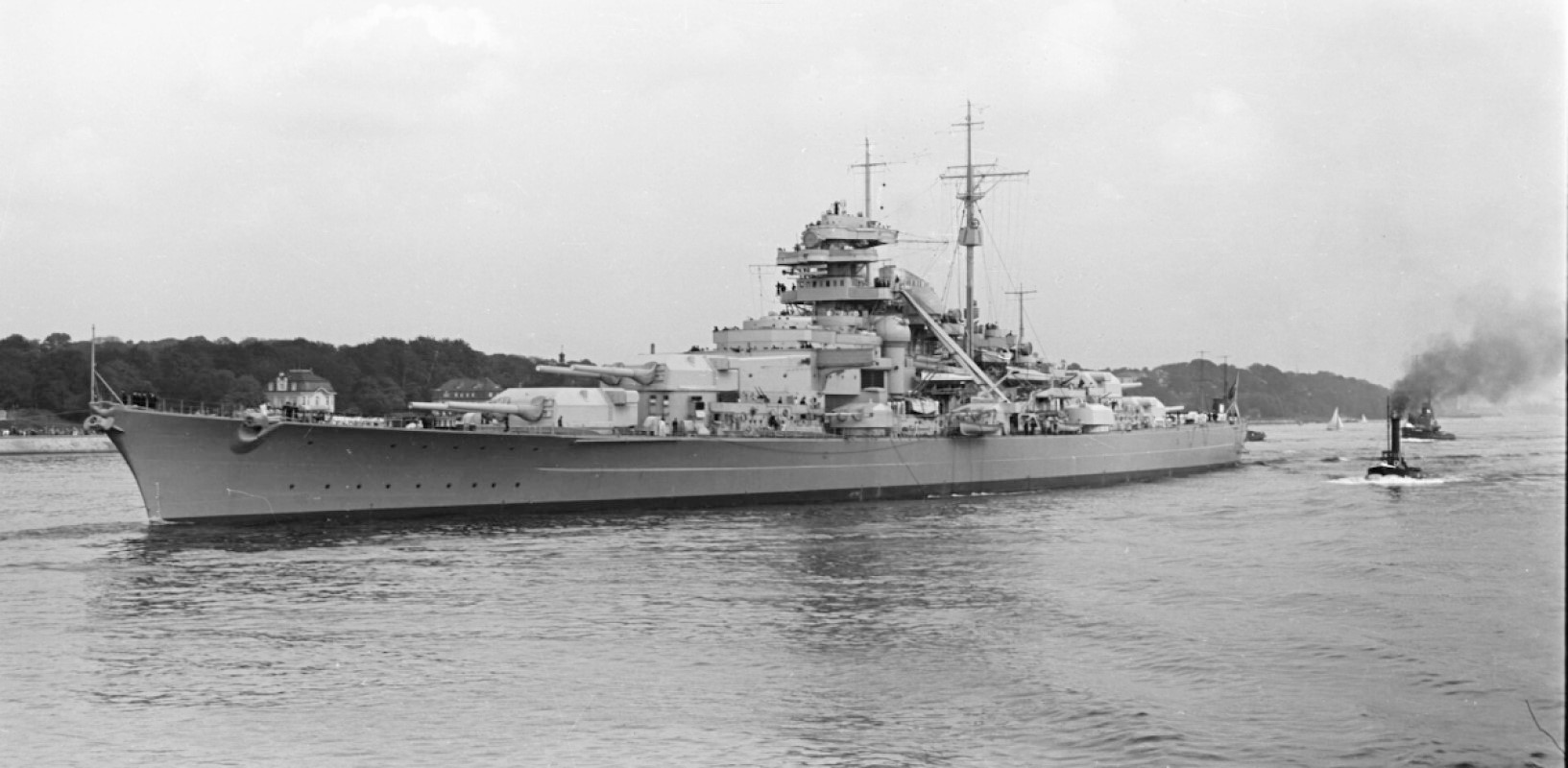
Bismarck

GermanyNAVAL

Bismarck

Bismarck-class Battleship

The Bismarck was the most powerful battleship in the German Kriegsmarine and one of the largest warships ever built by a European power. Her brief but dramatic career captivated the world and led to one of the greatest naval chases in history.

Introduced
1940
Manufacturer
Blohm & Voss, Hamburg
Retired
1941
Type
battleship

Key Technical Details

Displacement
50,300 t
Length
251 m
Top Speed
30 knots
Range
8,870 nmi
Crew
2,092
Main Armament
8× 38cm SK C/34 guns (4 twin turrets) • 12× 15cm SK C/28 guns
Armor
Belt 320 mm • Deck 120 mm

Combat Context

During Operation Rheinübung in May 1941, Bismarck sank HMS Hood, the pride of the Royal Navy, with a devastating magazine explosion. This triggered a massive Royal Navy pursuit involving dozens of warships. After being slowed by a Swordfish torpedo hit to her rudder, Bismarck was battered by HMS King George V and HMS Rodney before sinking on May 27, 1941.

  • Battle of the Denmark Strait - sank HMS Hood (May 24, 1941)
  • The largest naval pursuit in history
  • Swordfish torpedo bombers crippled her rudder
OPEN FULL RECORD →
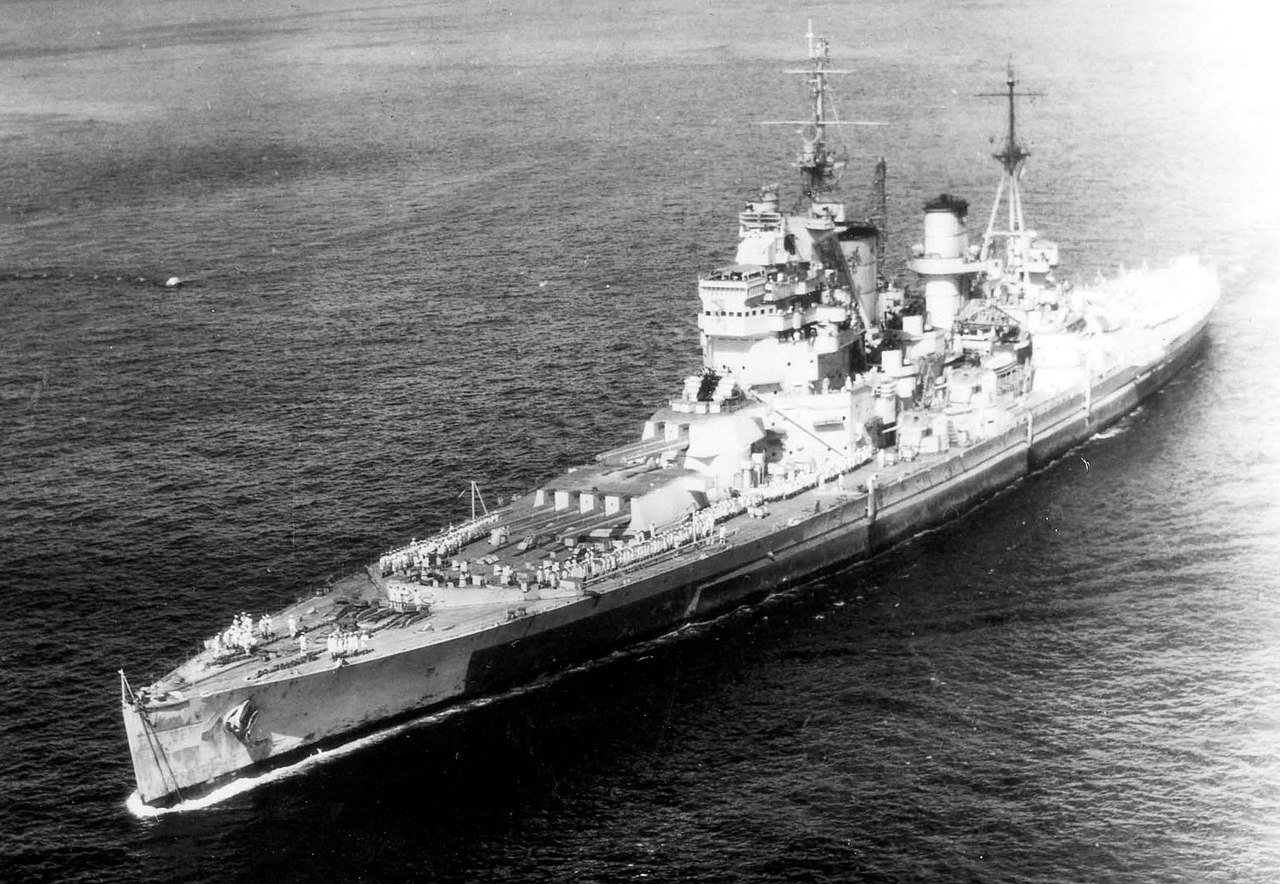
HMS King George V

United KingdomNAVAL

HMS King George V

King George V-class Battleship

British battleship that helped sink Bismarck in May 1941.

Introduced
1940
Manufacturer
Vickers-Armstrong
Retired
1957
Type
battleship

Key Technical Details

Displacement
42,000 t
Length
227 m
Top Speed
28 knots
Range
5,400 nmi
Crew
1,500
Main Armament
10x 14-inch main guns • Secondary and AA batteries
Armor
Belt 381 mm • Deck 152 mm

Combat Context

HMS King George V served in major Atlantic and later Pacific operations, including decisive anti-surface actions. The ship represented core Royal Navy capital-ship capability in wartime fleet duties.

  • Action in the pursuit and destruction of Bismarck. - HMS King George V in this context reflects the importance of scouting, command decisions, and damage control discipline.
  • Atlantic convoy and fleet cover operations. - Action reports from this theater show endurance and logistics were often as decisive as armament.
  • Later service supporting Allied naval presence in the Pacific. - This employment case captures how naval doctrine translated platform capability into campaign-level effect.
OPEN FULL RECORD →