United States • GUNS
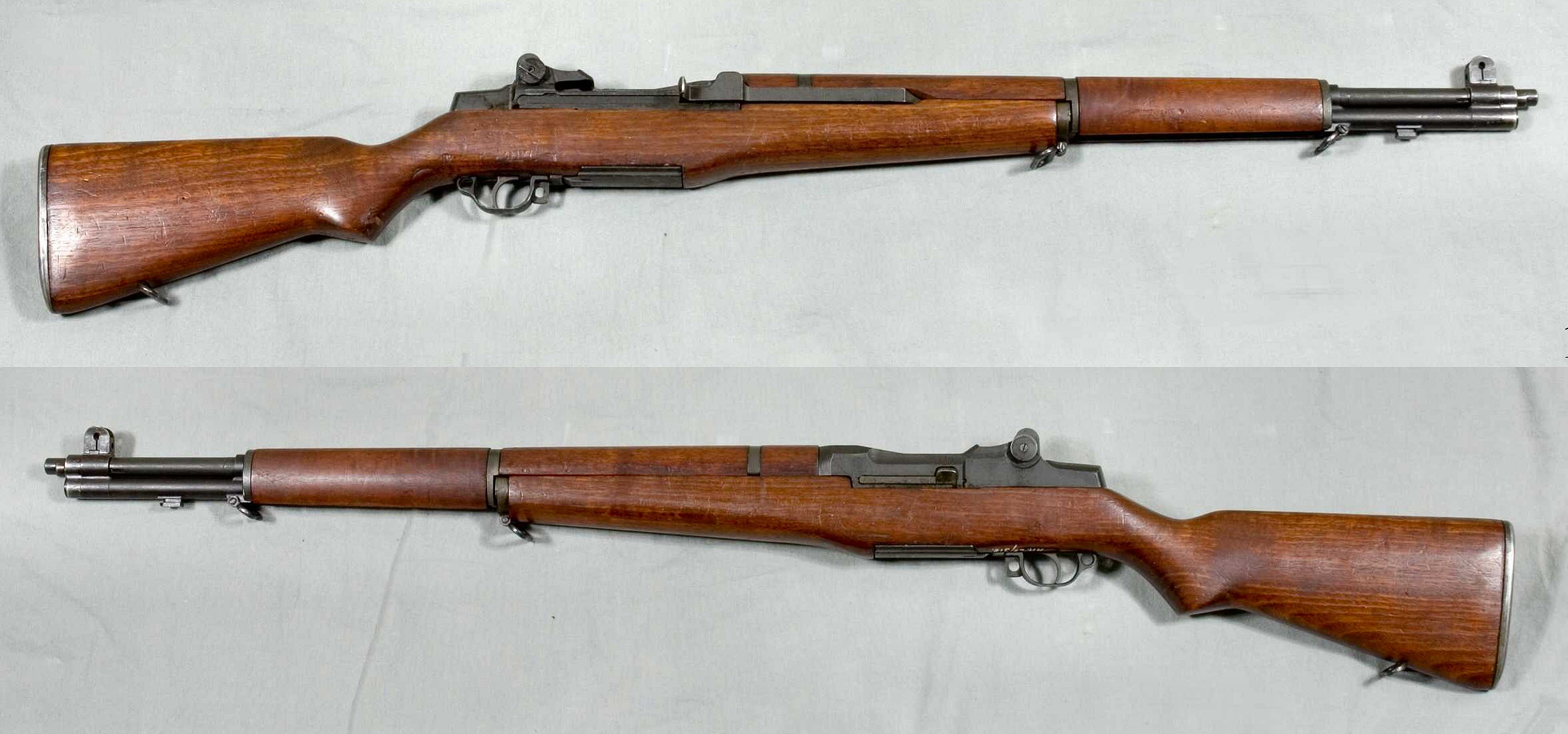
M1 Garand
United States Rifle, Caliber .30, M1
The M1 Garand was the first standard-issue semi-automatic military rifle. General George S. Patton called it "the greatest battle implement ever devised."
- Introduced
- 1936
- Manufacturer
- Springfield Armory
- Retired
- 1957
- Type
- rifle
Key Technical Details
- Caliber
- .30-06 Springfield (7.62×63mm)
- Action
- Gas-operated, rotating bolt
- Rate of Fire
- 40 rpm
- Muzzle Velocity
- 853 m/s
- Effective Range
- 457 m
- Magazine
- 8 rounds
- Weight
- 4.31 kg
Combat Context
The M1 Garand served as the standard U.S. service rifle during World War II and the Korean War. It gave American infantrymen a significant advantage over Axis soldiers armed with bolt-action rifles, as it could deliver accurate semi-automatic fire. The rifle saw action in every theater of WW2, from North Africa to the Pacific Islands.
- • Standard issue U.S. infantry rifle throughout WW2
- • D-Day landings at Normandy (June 6, 1944)
- • Battle of the Bulge (December 1944)