WEAPONS OF WORLD WAR 2HOME ARCHIVEBACK TO COMPARISONS

Type VII U-boat vs Fletcher-class Destroyer

Submarine attrition strategy versus convoy escort adaptation in the Battle of the Atlantic.

Type VII U-boat

GermanyNAVAL

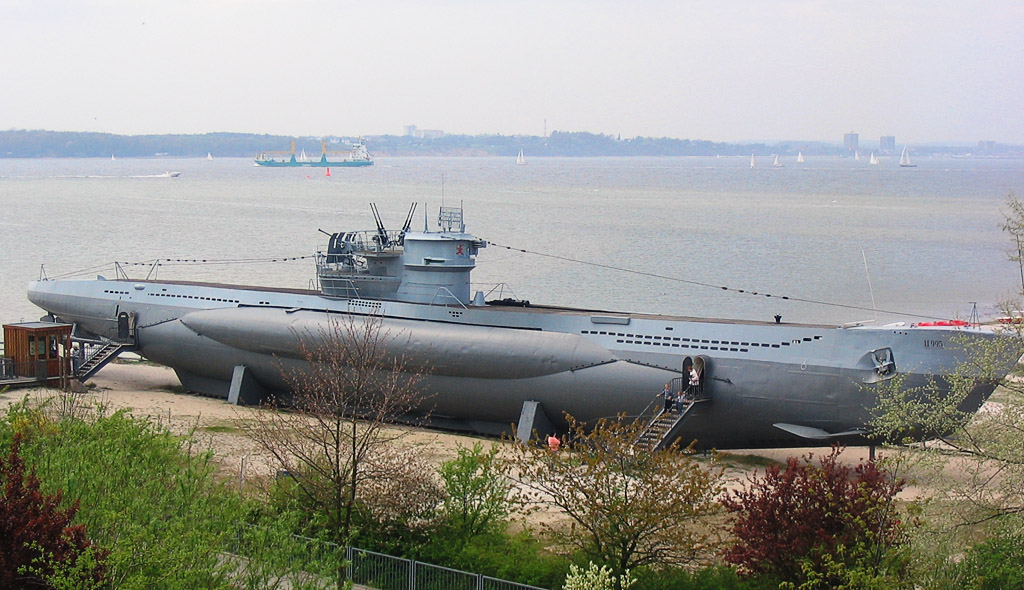
Type VII U-boat

Unterseeboot Typ VII C

The Type VII was the most common U-boat type in the German Kriegsmarine during WW2, with 703 built. These submarines waged the Battle of the Atlantic, the longest continuous campaign of the war.

Introduced
1940
Manufacturer
Various German shipyards
Retired
1945
Type
submarine

Key Technical Details

Displacement
769 t
Length
67.1 m
Top Speed
17 knots
Range
8,500 nmi
Crew
44
Main Armament
5× 53.3cm torpedo tubes (4 bow, 1 stern) • 14 torpedoes
Armor
Belt 18 mm • Deck 0 mm

Combat Context

U-boats nearly won the Battle of the Atlantic. In the "Happy Time" of 1940-1941, wolf packs devastated Allied convoys. However, Allied countermeasures including radar, Ultra intelligence, improved depth charges, and escort carriers gradually turned the tide. Of 1,162 U-boats built, 784 were destroyed.

  • Battle of the Atlantic - the longest battle of WW2
  • Wolf pack tactics terrorized Allied shipping
  • "Happy Time" (1940-1941) - peak U-boat success
OPEN FULL RECORD →
Fletcher-class Destroyer

United StatesNAVAL

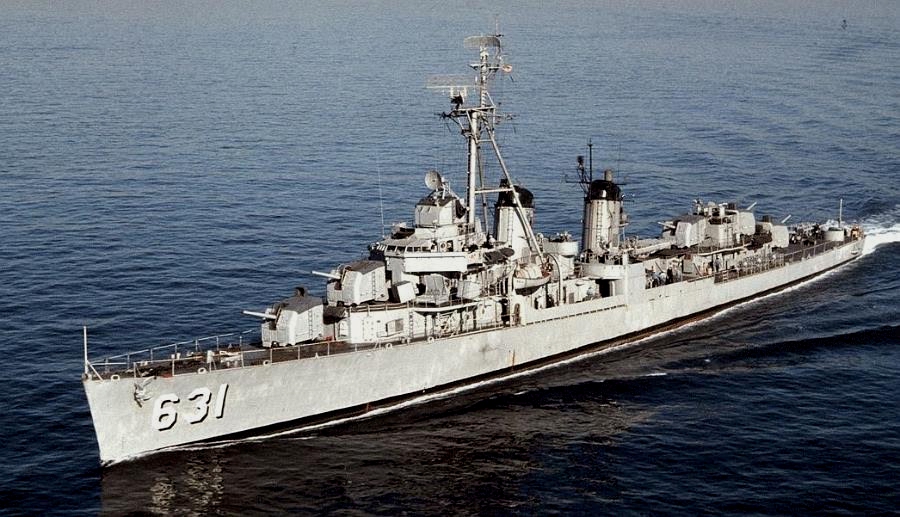
Fletcher-class Destroyer

U.S. Navy Fletcher-class

Large U.S. wartime destroyer class used for escort, AA, and anti-submarine roles.

Introduced
1942
Manufacturer
Multiple U.S. shipyards
Retired
1970
Type
destroyer

Key Technical Details

Displacement
2,500 t
Length
114.7 m
Top Speed
36 knots
Range
6,500 nmi
Crew
330
Main Armament
5x 5-inch guns • 10x 21-inch torpedo tubes
Armor
Belt 19 mm • Deck 13 mm

Combat Context

Fletchers escorted carriers and convoys, fought surface actions, and carried much of the day-to-day fleet protection burden. Their versatility made them critical in sustained naval campaigns.

  • Carrier screening in major Pacific operations. - Fletcher-class Destroyer in this context reflects the importance of scouting, command decisions, and damage control discipline.
  • Anti-submarine convoy and fleet escort duties. - Action reports from this theater show endurance and logistics were often as decisive as armament.
  • Surface actions and shore bombardment support missions. - This employment case captures how naval doctrine translated platform capability into campaign-level effect.
OPEN FULL RECORD →