WEAPONS OF WORLD WAR 2HOME ARCHIVEBACK TO COMPARISONS

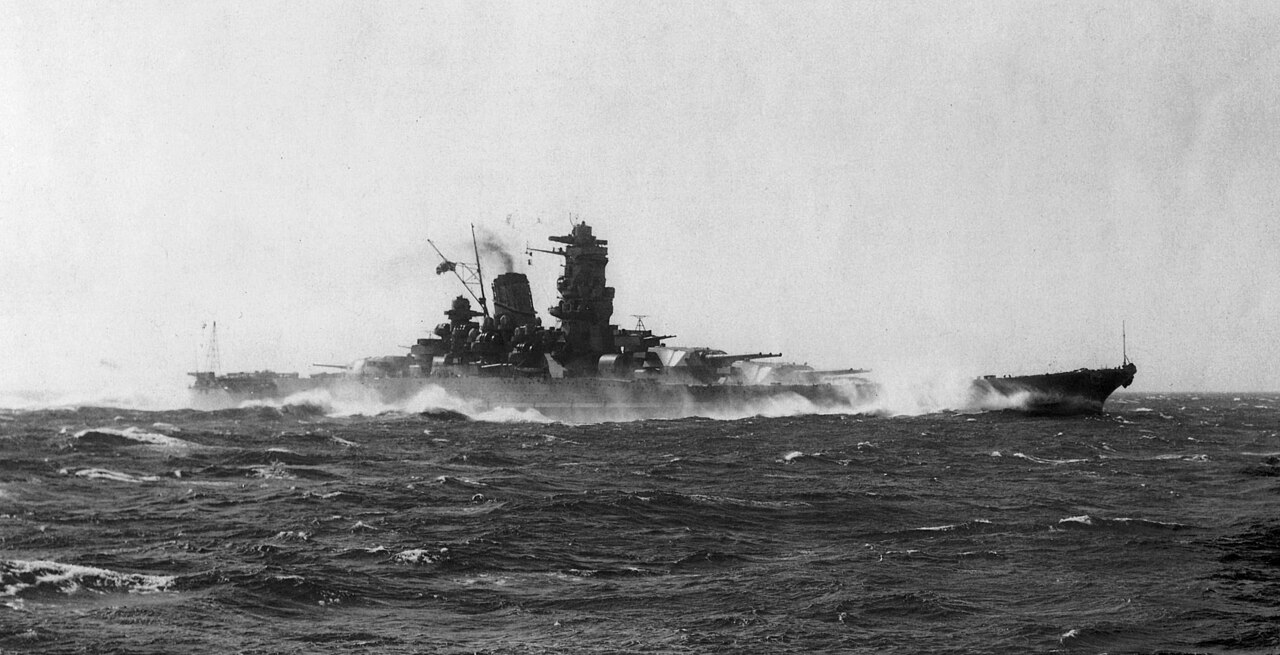
Yamato vs USS Iowa

Battleship doctrine at peak scale: armor and caliber versus speed, radar, and systems integration.

Yamato

JapanNAVAL

Yamato

Yamato-class Battleship

Largest battleship class ever completed, sunk during Operation Ten-Go in 1945.

Introduced
1941
Manufacturer
Kure Naval Arsenal
Retired
1945
Type
battleship

Key Technical Details

Displacement
65,000 t
Length
263 m
Top Speed
27 knots
Range
7,200 nmi
Crew
2,500
Main Armament
9x 46cm main guns • Secondary and AA batteries
Armor
Belt 410 mm • Deck 200 mm

Combat Context

By the time of major operations, carrier air power had become the dominant naval threat, limiting battleship utility. Yamato saw limited direct surface action and was ultimately destroyed by air attack.

  • Flagship service within major Japanese fleet concentrations. - Yamato in this context reflects the importance of scouting, command decisions, and damage control discipline.
  • Participation in late-war Operation Ten-Go. - Action reports from this theater show endurance and logistics were often as decisive as armament.
  • Symbol of battleship-era doctrine confronting carrier-era reality. - This employment case captures how naval doctrine translated platform capability into campaign-level effect.
OPEN FULL RECORD →
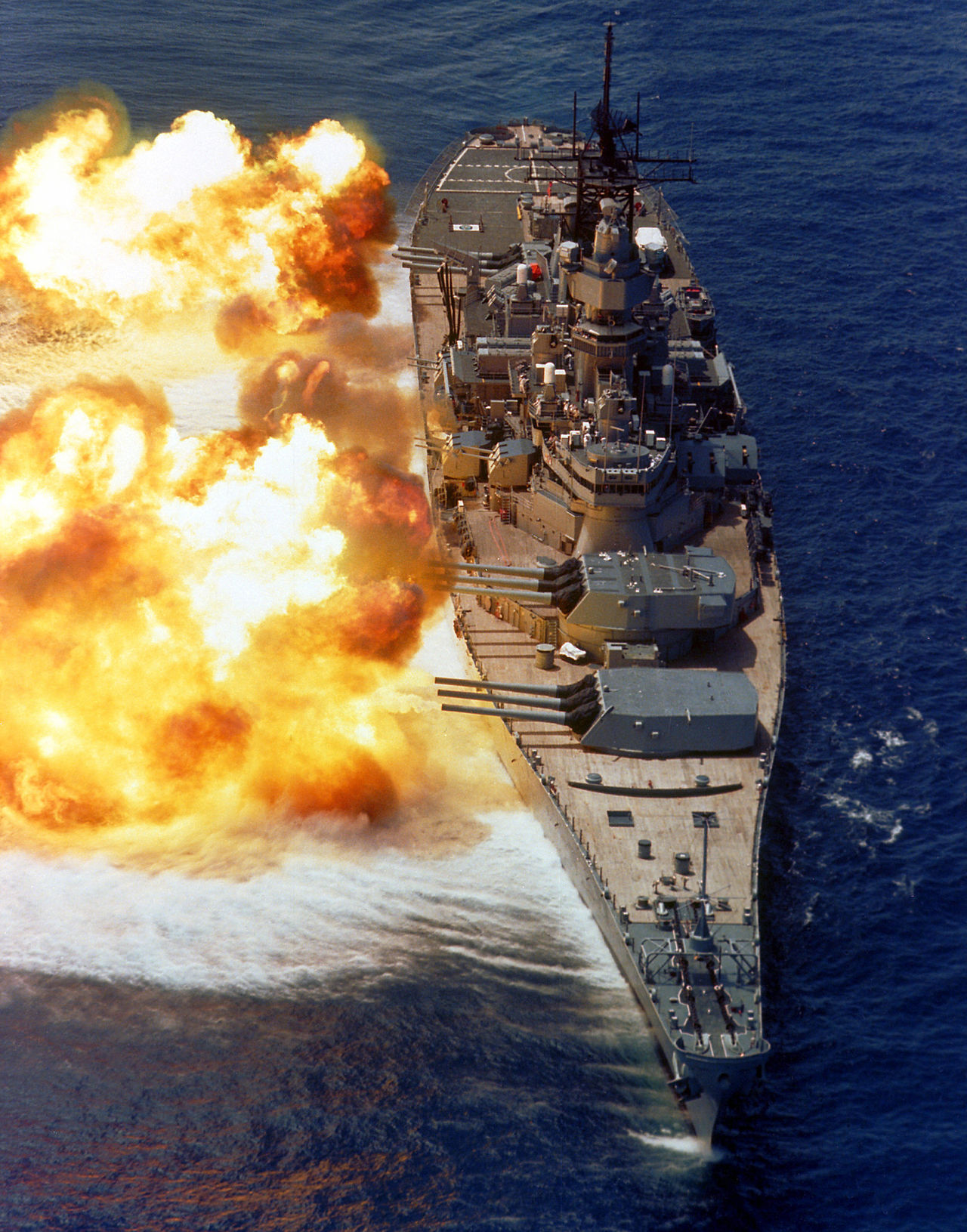
USS Iowa (BB-61)

United StatesNAVAL

USS Iowa (BB-61)

Iowa-class Battleship

Fast U.S. battleship class supporting carrier task forces and shore bombardment.

Introduced
1943
Manufacturer
New York Naval Shipyard
Retired
1990
Type
battleship

Key Technical Details

Displacement
58,000 t
Length
270 m
Top Speed
33 knots
Range
15,000 nmi
Crew
2,700
Main Armament
9x 16-inch main guns • 5-inch dual-purpose and AA batteries
Armor
Belt 307 mm • Deck 152 mm

Combat Context

USS Iowa served in escort and bombardment roles, supporting broader U.S. naval offensives. Her speed and endurance made her useful in long-range Pacific fleet movements.

  • Fast battleship support to carrier task groups. - USS Iowa (BB-61) in this context reflects the importance of scouting, command decisions, and damage control discipline.
  • Naval gunfire missions in Pacific operations. - Action reports from this theater show endurance and logistics were often as decisive as armament.
  • Fleet screening and deterrence in late-war naval strategy. - This employment case captures how naval doctrine translated platform capability into campaign-level effect.
OPEN FULL RECORD →