Class Filter
Editorial Ranking
Top 8 WW2 Weapons
Best World War 2 weapons ranked by battlefield impact, production scale, and strategic influence. Filter the shortlist by class and nation, then open full detail records from each rank.
Country Filter
Sort Mode
Showing 8 of 8
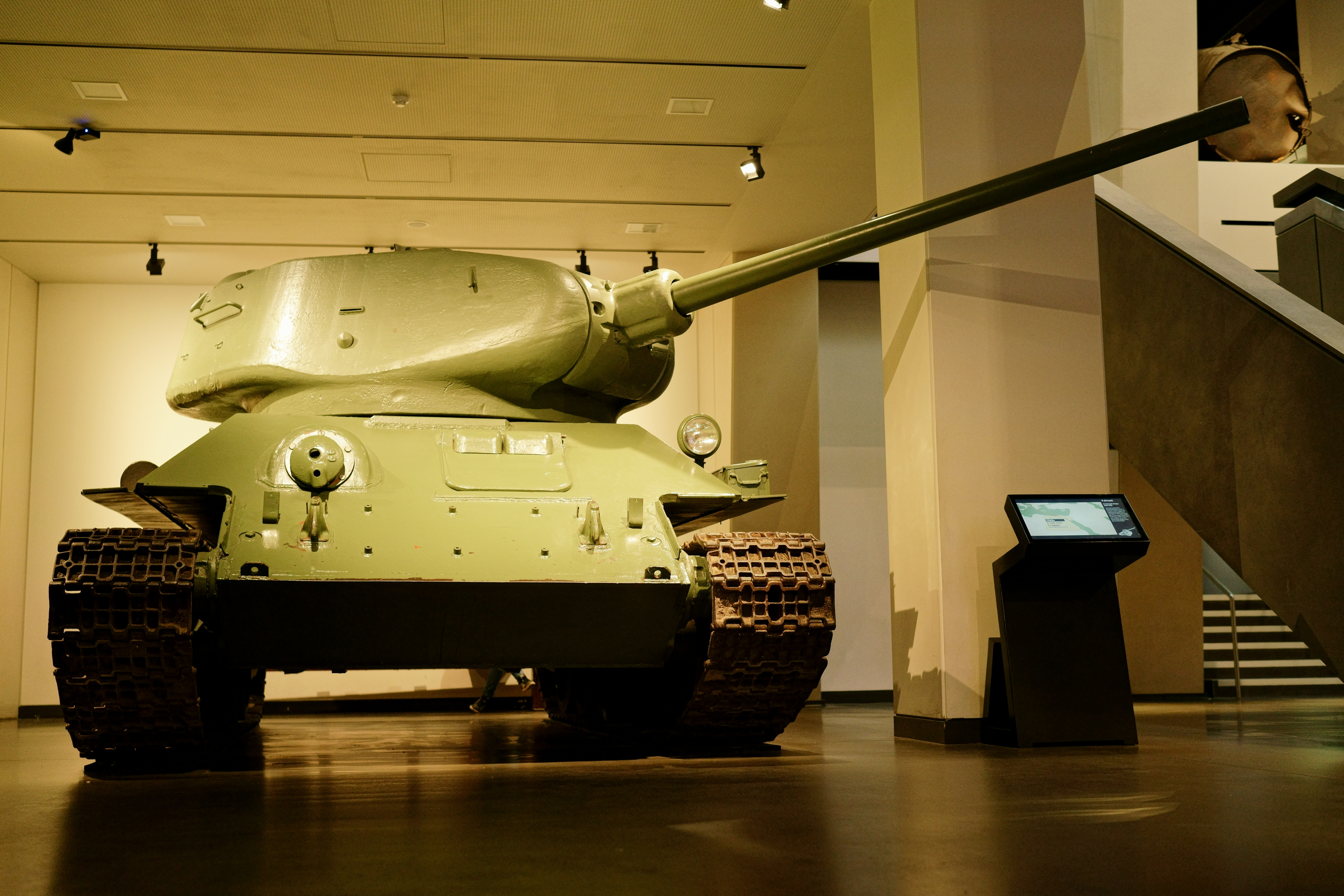 #11940
T-34
☭ Soviet Union • TANKS
Combined mobility, protection, and massive output to shape Eastern Front armored warfare.
76.2mm F-34 gun | top speed 53 km/h | 84,000 built
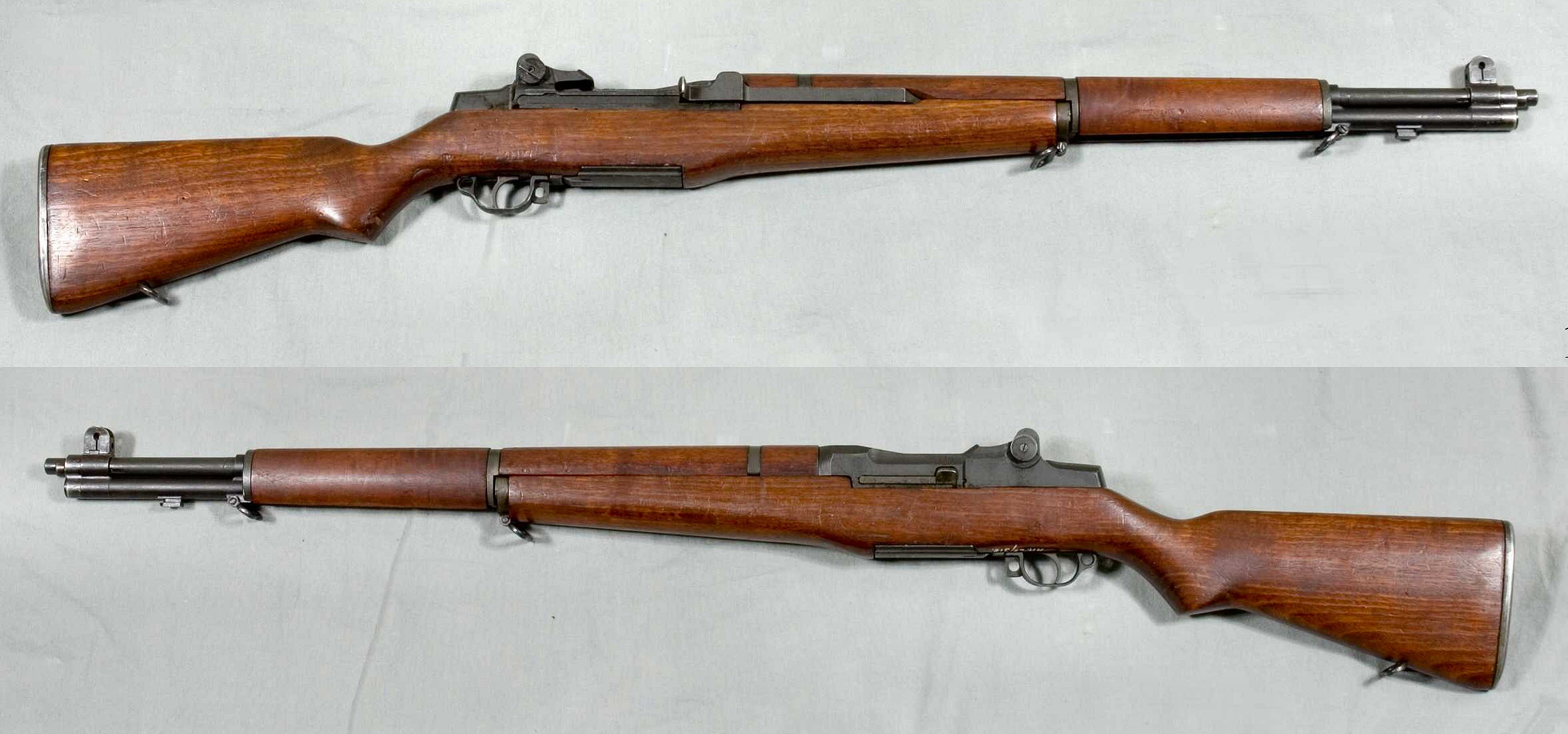 #21936
M1 Garand
🇺🇸 United States • GUNS
Put reliable semi-automatic firepower in standard infantry hands at scale.
.30-06 Springfield (7.62×63mm) | Gas-operated, rotating bolt | effective range 457 m
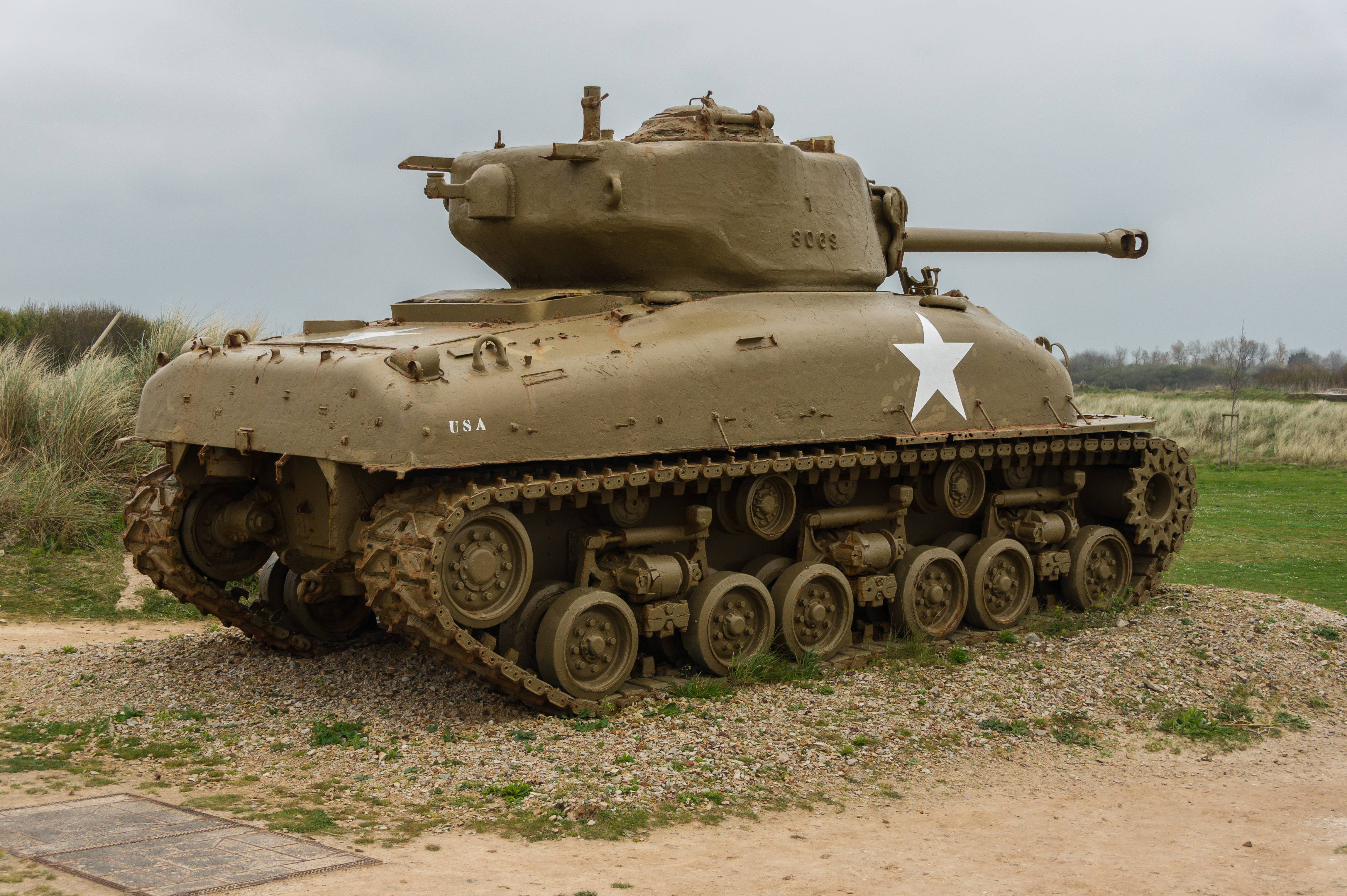 #31942
M4 Sherman
🇺🇸 United States • TANKS
Production volume and mechanical reliability made it strategically decisive in Allied operations.
75mm M3 gun (or 76mm M1 gun) | top speed 48 km/h | 49,234 built
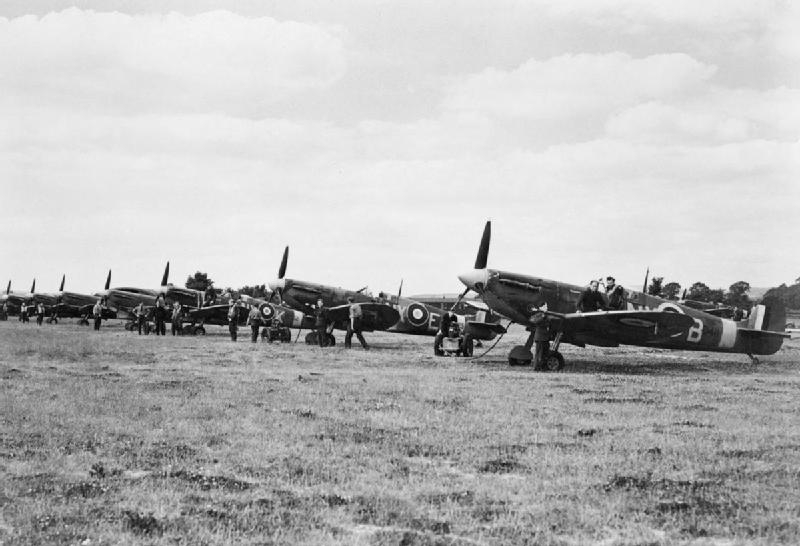 #41938
Supermarine Spitfire
🇬🇧 United Kingdom • PLANES
Symbolized RAF air defense and sustained multi-role performance across the war.
Rolls-Royce Merlin 63 (1,710 hp) | top speed 656 km/h | range 740 km
 #51942
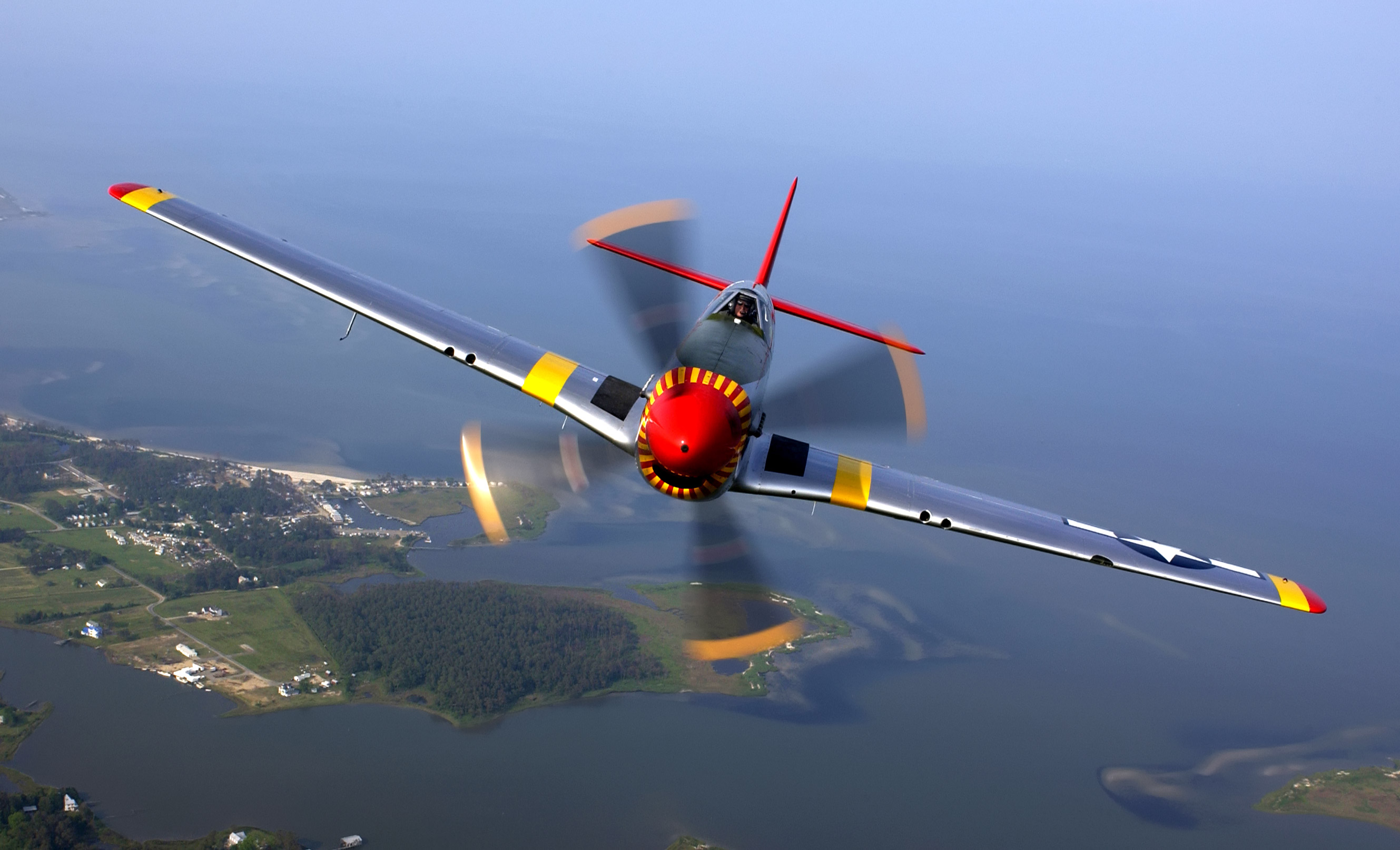
P-51 Mustang
🇺🇸 United States • PLANES
Long-range escort range changed bomber survivability and strategic air campaign depth.
Packard V-1650-7 Merlin (1,490 hp) | top speed 703 km/h | range 2655 km
 #61935
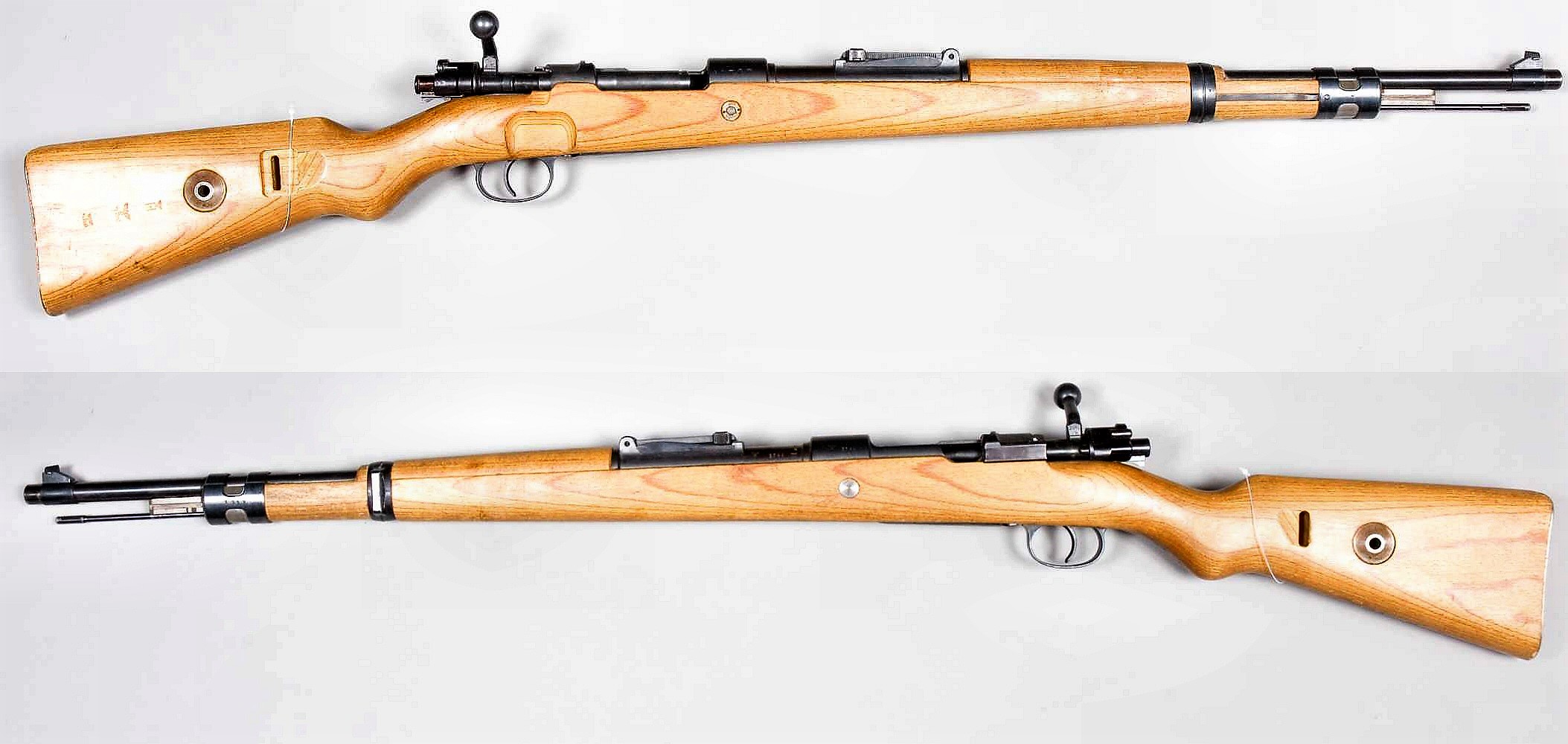
Karabiner 98k
🇩🇪 Germany • GUNS
Backbone infantry rifle for Germany with huge production and frontline ubiquity.
7.92×57mm Mauser | Bolt-action | effective range 500 m
 #71940
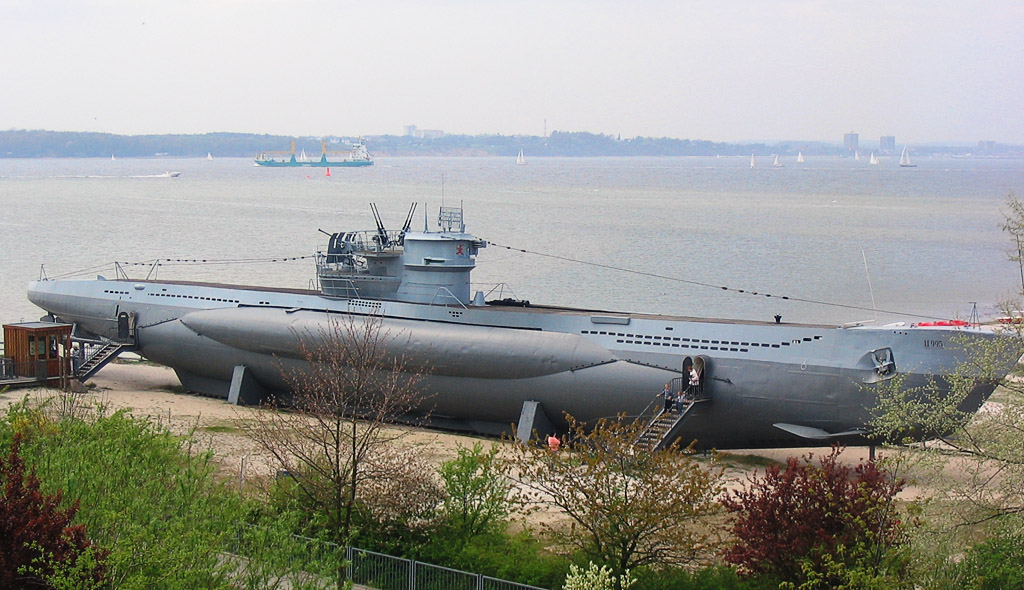
Type VII U-boat
🇩🇪 Germany • NAVAL
Defined Atlantic convoy warfare and forced rapid Allied anti-submarine adaptation.
769 tons | 17 knots | crew 44
 #81942
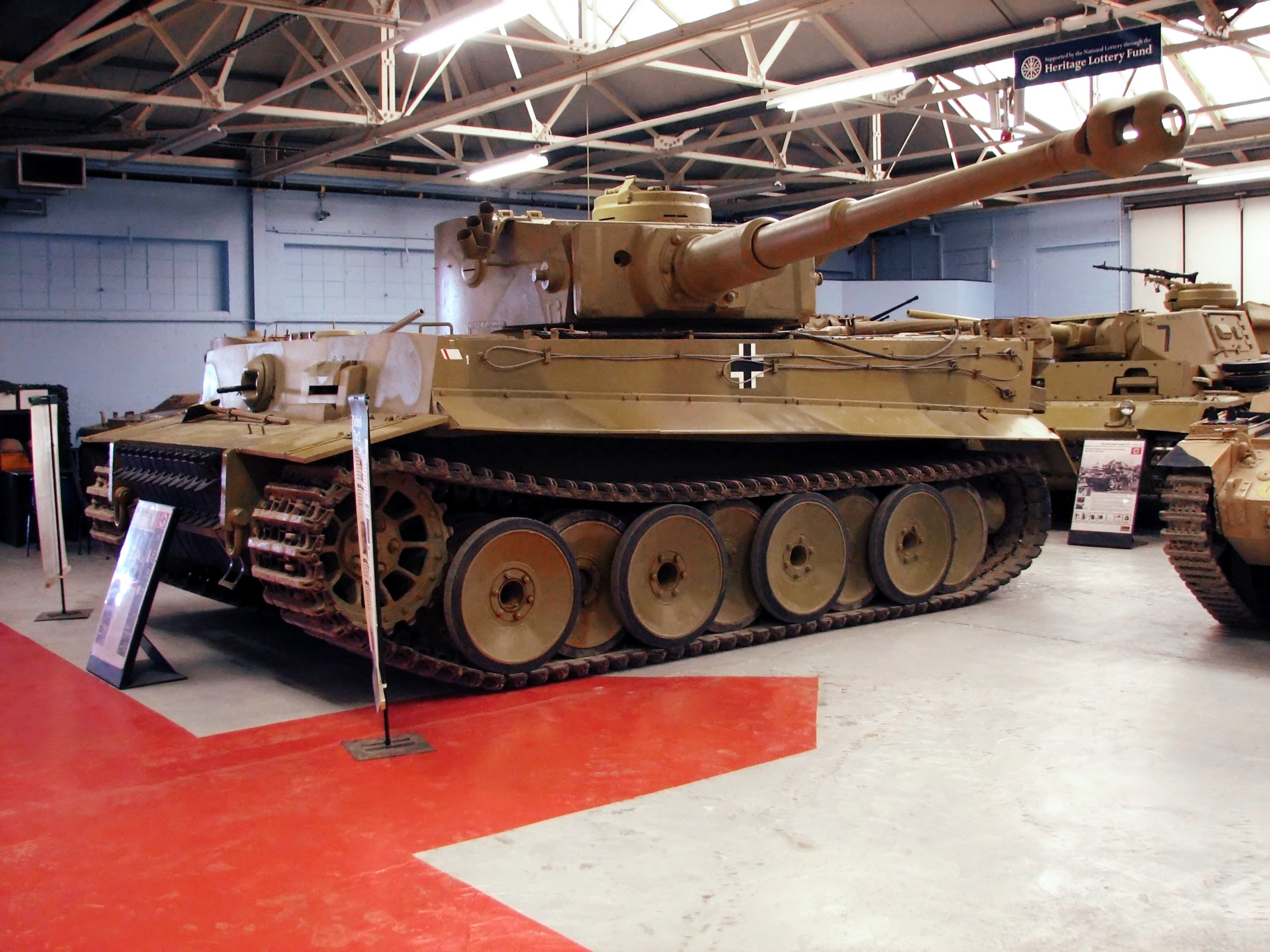
Tiger I
🇩🇪 Germany • TANKS
Set a benchmark for heavy armor lethality despite maintenance and logistics limits.
88mm KwK 36 L/56 | top speed 45 km/h | 1,347 built
Why These Are Considered Top WW2 Weapons
This ranking focuses on operational impact, not just headline specifications. Weapons that repeatedly influenced campaign outcomes, proved producible at scale, and changed tactical decision-making rank highest. Use this list as a fast entry point, then open each profile for full development and combat history.
#1 T-34
☭ Soviet Union • TANKS • Introduced 1940
Combined mobility, protection, and massive output to shape Eastern Front armored warfare.
#2 M1 Garand
🇺🇸 United States • GUNS • Introduced 1936
Put reliable semi-automatic firepower in standard infantry hands at scale.
#3 M4 Sherman
🇺🇸 United States • TANKS • Introduced 1942
Production volume and mechanical reliability made it strategically decisive in Allied operations.
#4 Supermarine Spitfire
🇬🇧 United Kingdom • PLANES • Introduced 1938
Symbolized RAF air defense and sustained multi-role performance across the war.
#5 P-51 Mustang
🇺🇸 United States • PLANES • Introduced 1942
Long-range escort range changed bomber survivability and strategic air campaign depth.
#6 Karabiner 98k
🇩🇪 Germany • GUNS • Introduced 1935
Backbone infantry rifle for Germany with huge production and frontline ubiquity.
#7 Type VII U-boat
🇩🇪 Germany • NAVAL • Introduced 1940
Defined Atlantic convoy warfare and forced rapid Allied anti-submarine adaptation.
#8 Tiger I
🇩🇪 Germany • TANKS • Introduced 1942
Set a benchmark for heavy armor lethality despite maintenance and logistics limits.
Related WW2 Research Pages
- Interactive WW2 weapon timeline for year-by-year adoption context.
- Weapon comparison pages for direct system-vs-system analysis.
- Battle context hubs for campaign-level weapon usage.
- Country and class clusters to study national doctrine patterns.
Top 8 WW2 Weapons FAQ
What are the best WW2 weapons overall?
This page ranks eight standout World War II weapons based on battlefield impact, production scale, operational reliability, and strategic influence.
How were these top WW2 weapons selected?
The shortlist weighs combat record, industrial output, doctrine influence, and longevity in service rather than only raw specifications.
Are tanks, guns, planes, and naval weapons all included?
Yes. The ranking spans multiple classes so readers can compare how different weapon categories shaped campaigns across land, air, and sea.
Explore More